New York, New York
2021
Competition Team: David Chipperfield Architects, Dream The Combine, Deborah Berke Partners, Studio Zewde
Dream The Combine Principals: Jennifer Newsom & Tom Carruthers
Dream The Combine Team: Matt Catrow, Max Ouellette-Howitz, Kathy Kao, Ana Gabriela-Loayza, Arseny Pekurovsky
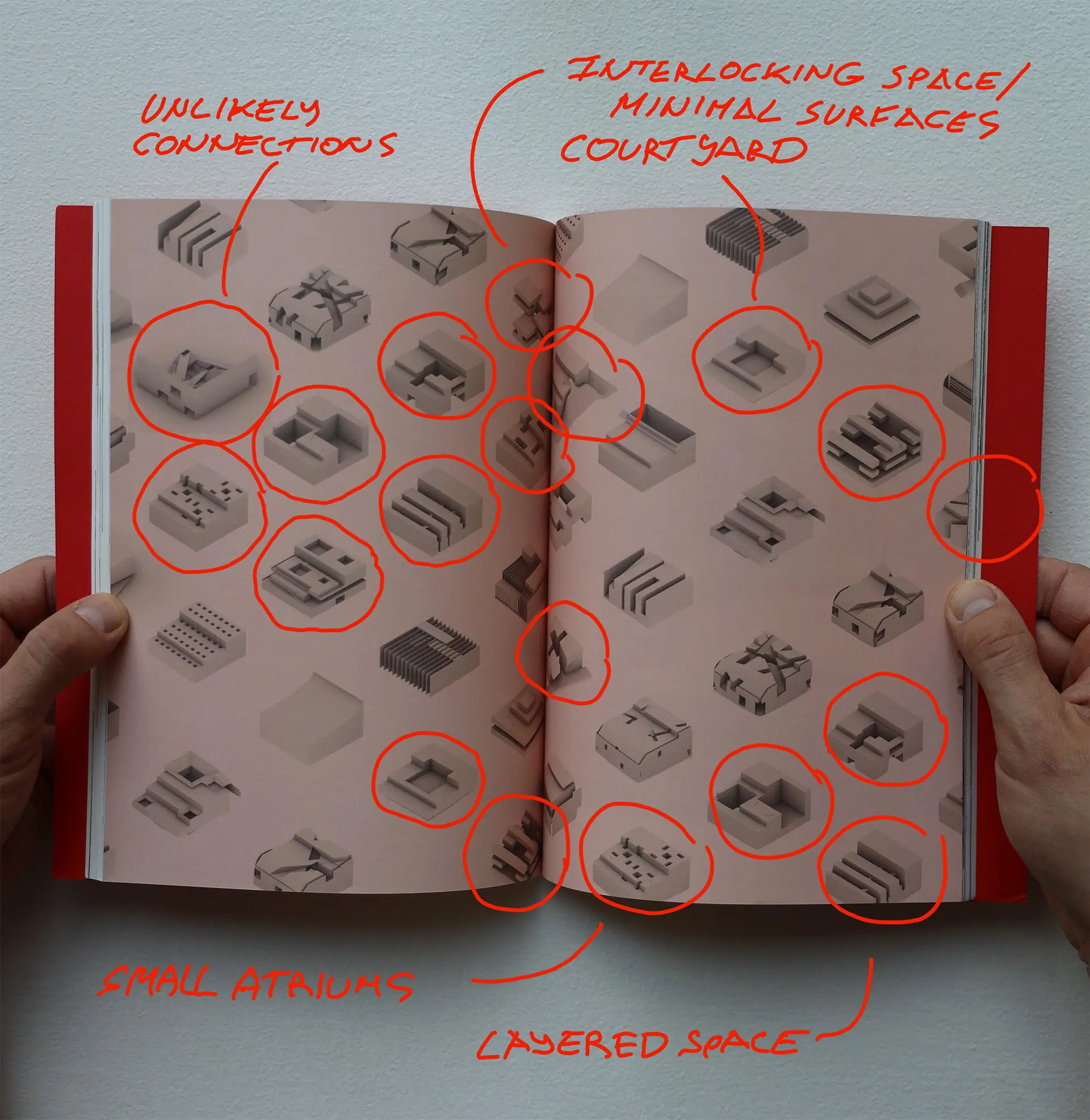
In 2015, David Chipperfield (DCA) won the competition for the redesign of the modern wing under then director Tom Cambell, and spent two years developing a design. The renovation did not happen because of the financial restructuring of the Met and the prioritizing of existing infrastructure. When the current Met director Max Hollein asked DCA to participate in another closed competition, DCA assembled a diverse team of practices to develop another approach to the redesign, including Dream The Combine. My role with Dream The Combine was to develop conceptual frameworks for the redesign.
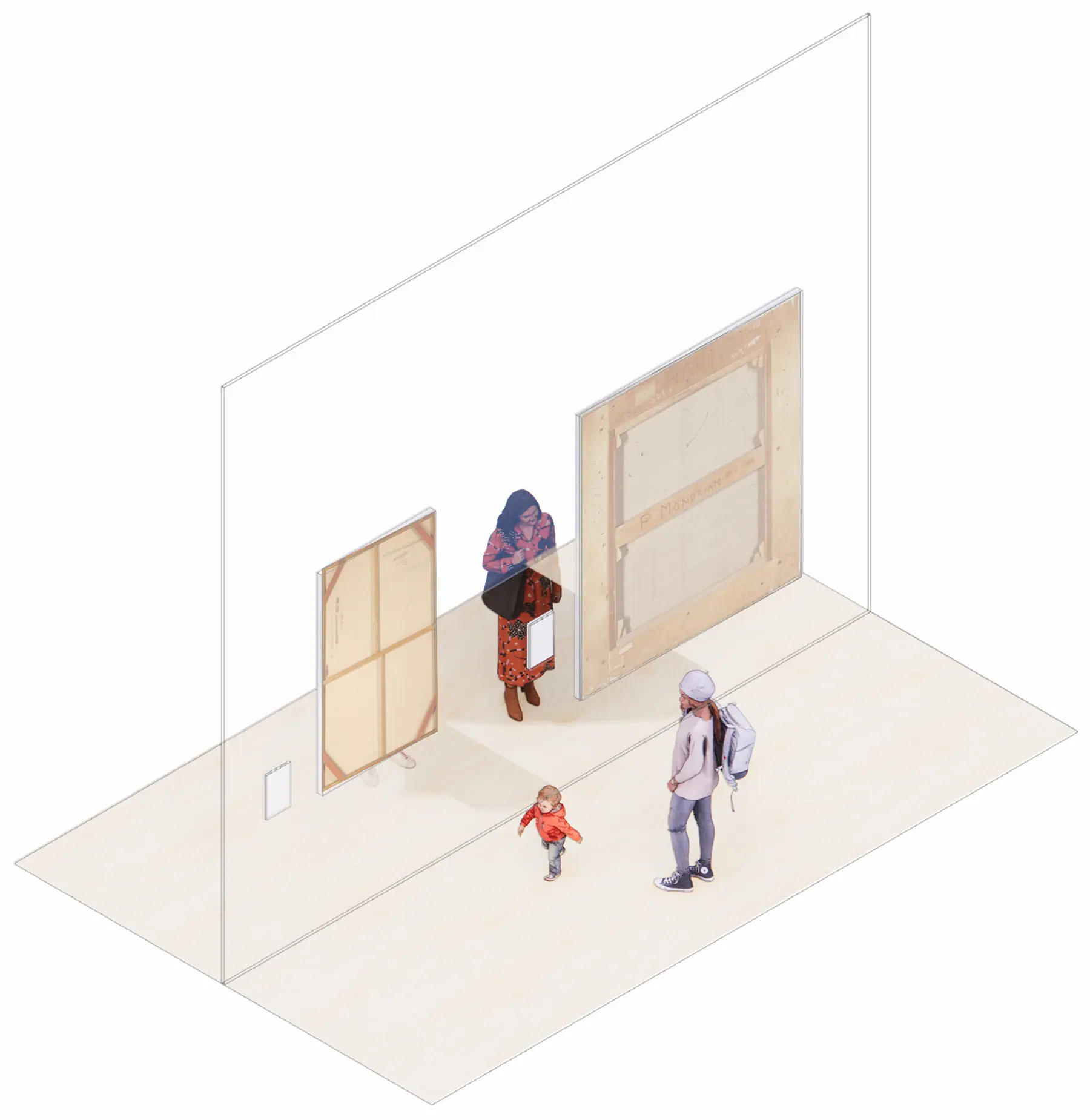
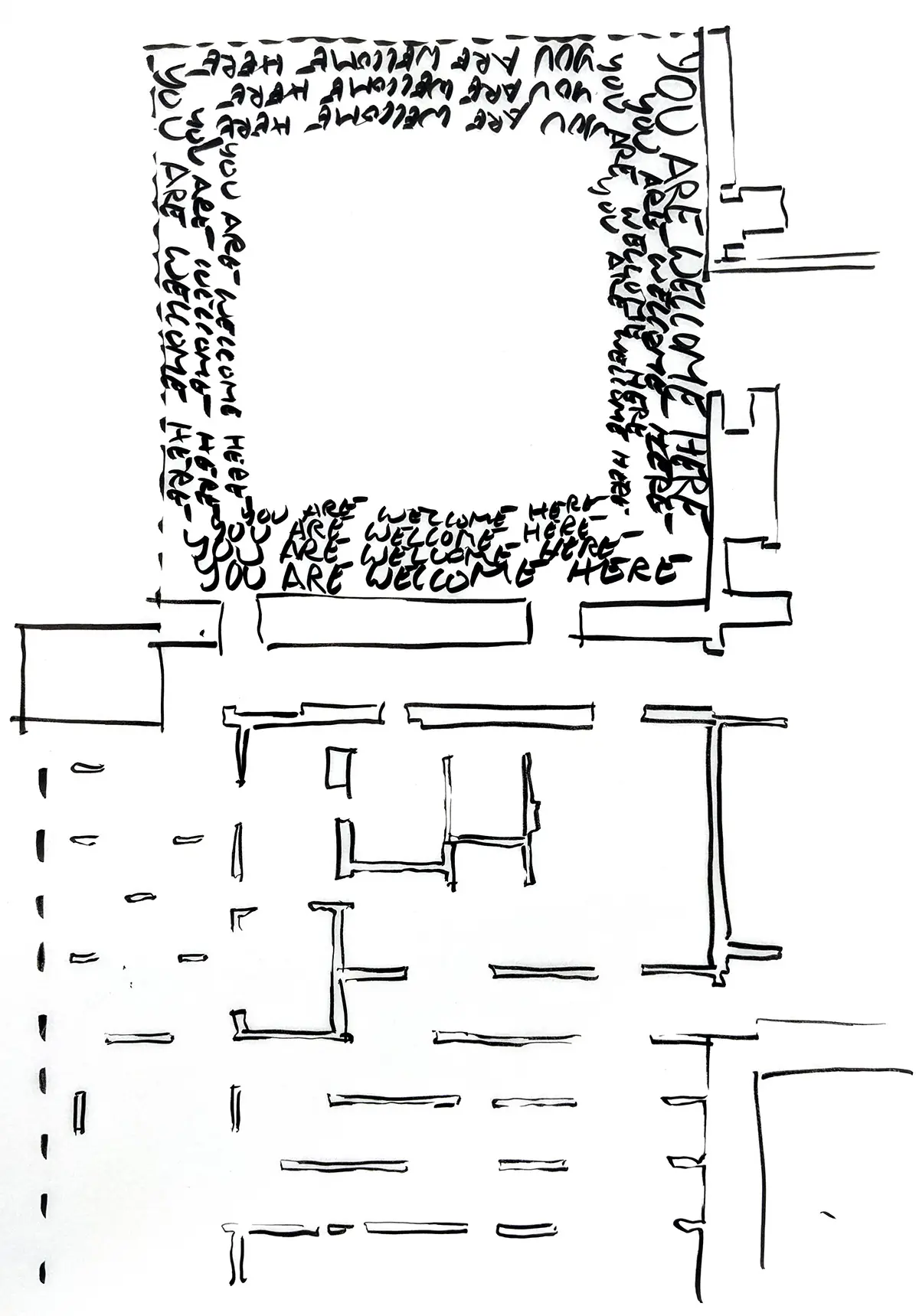
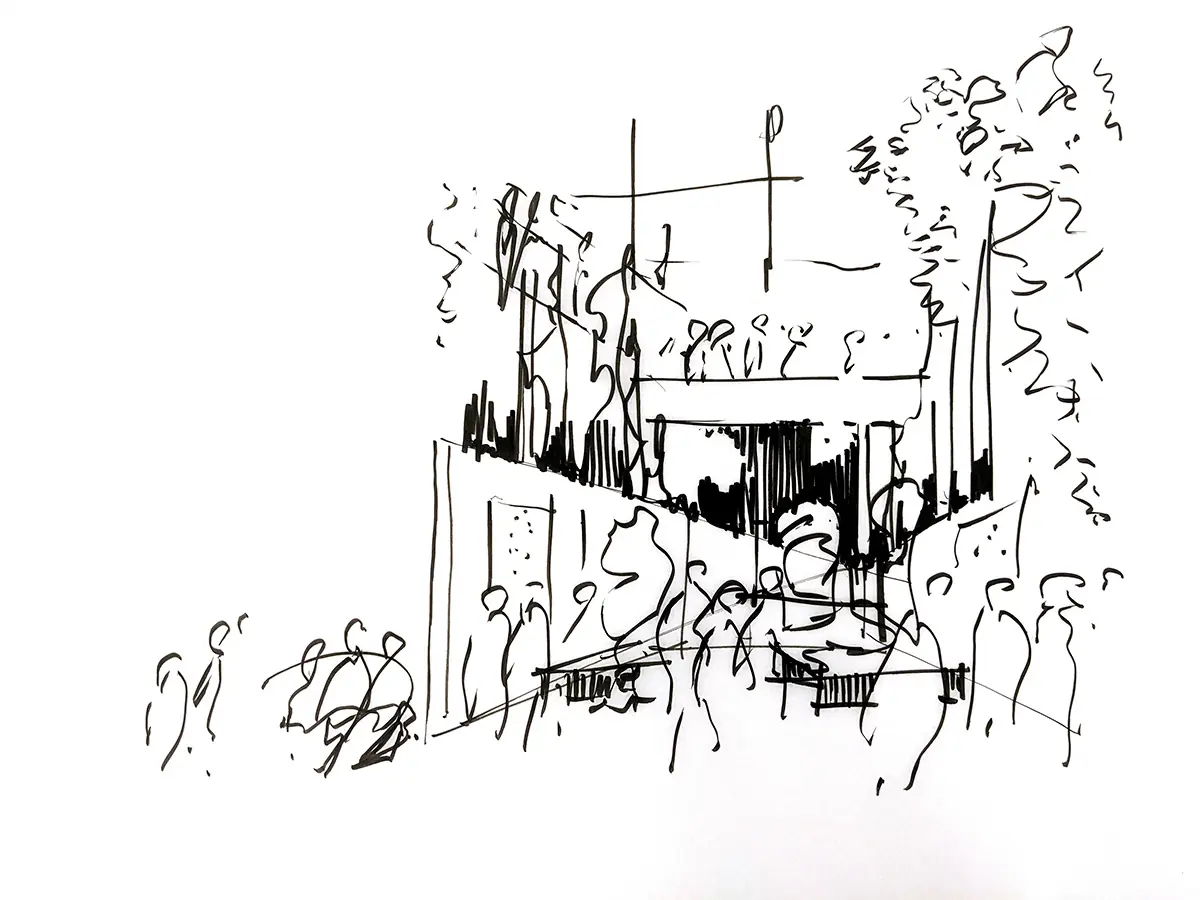
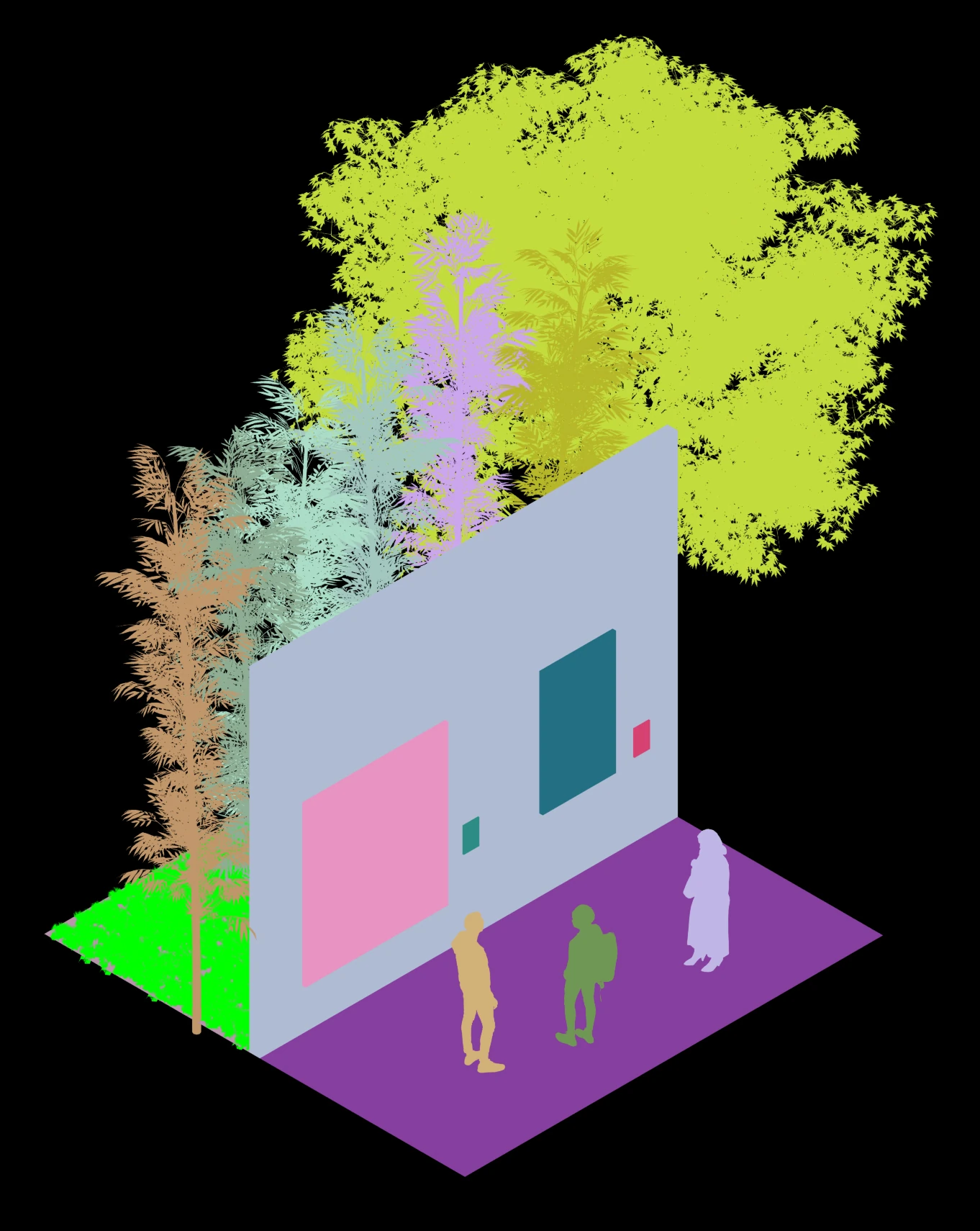
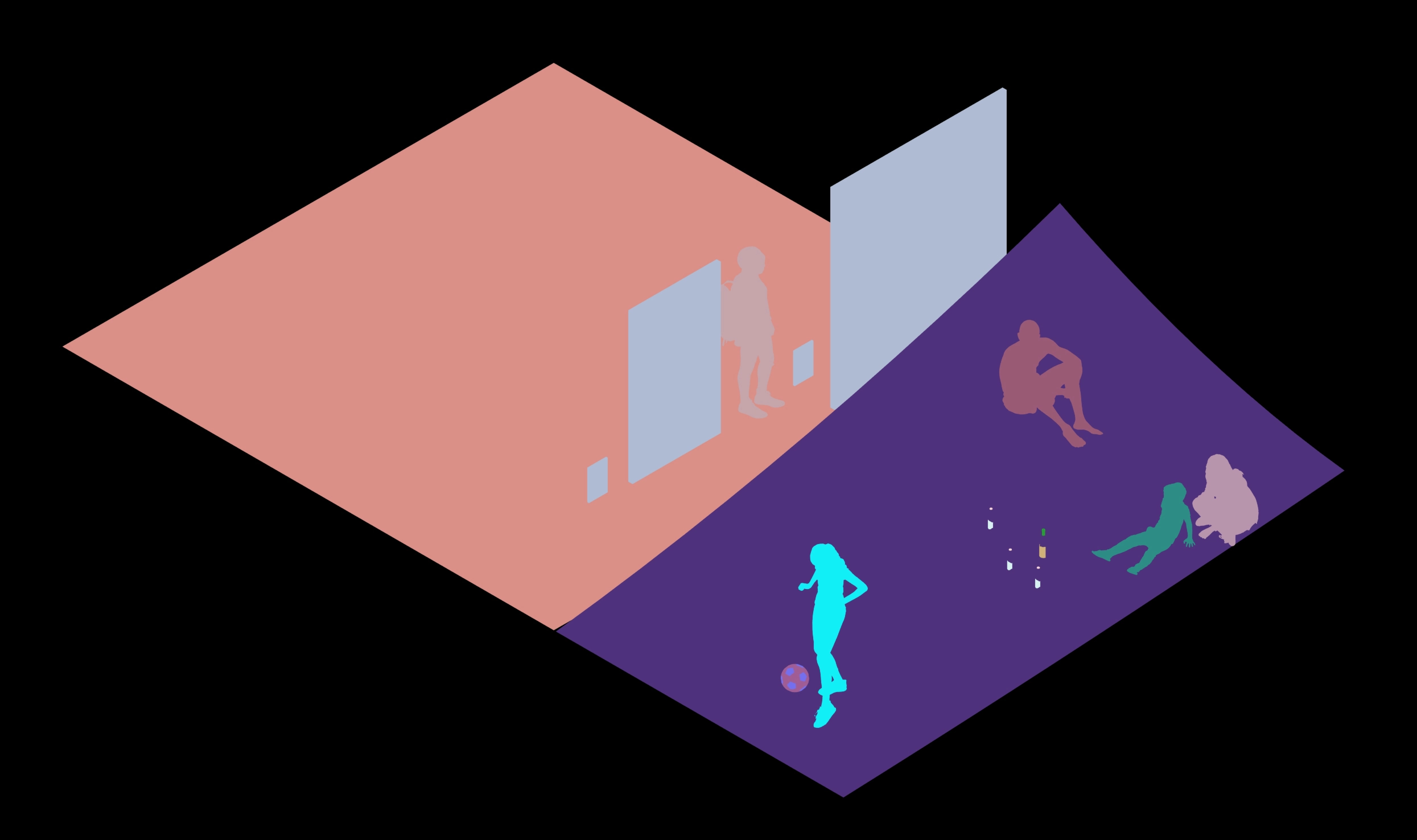
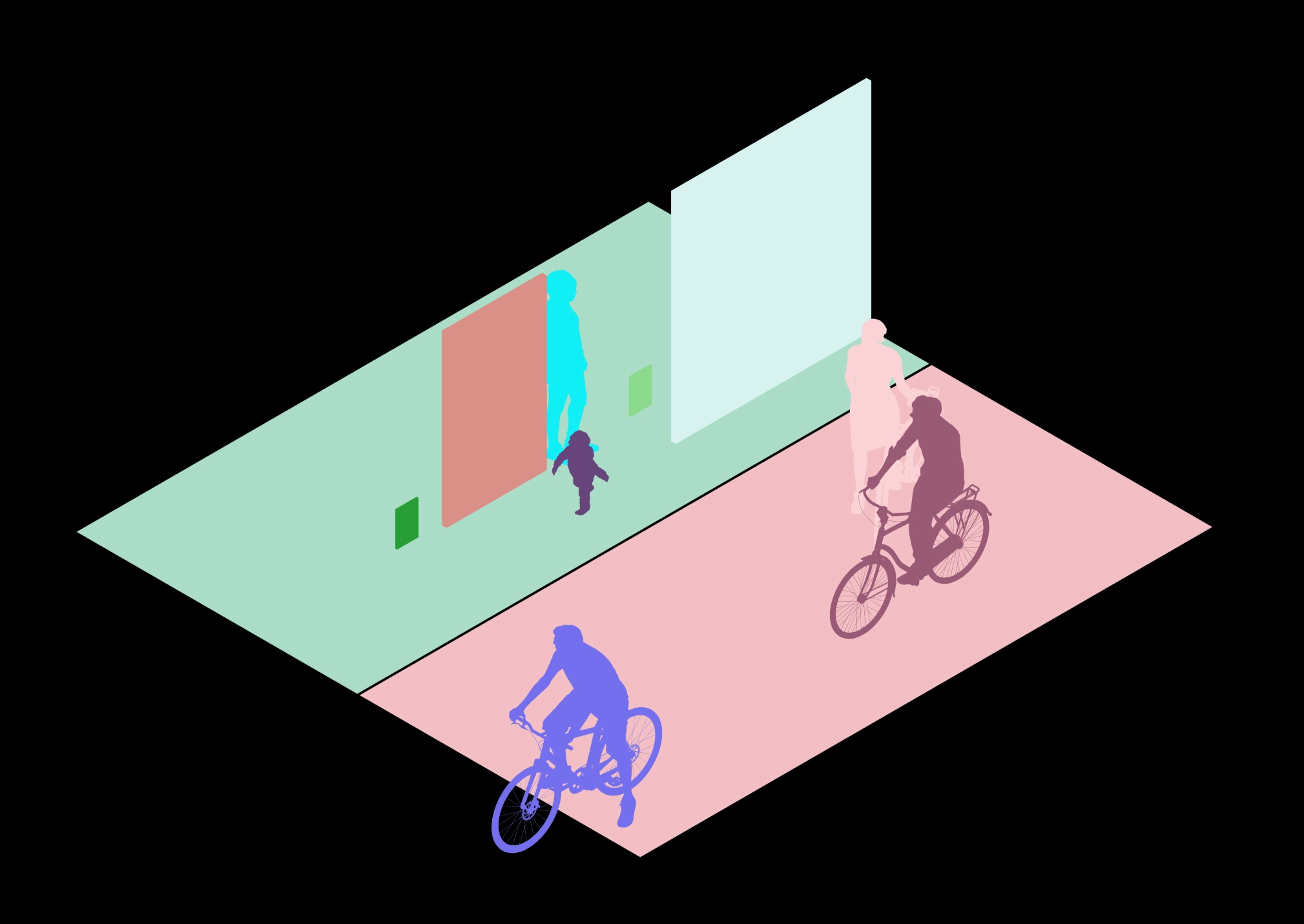
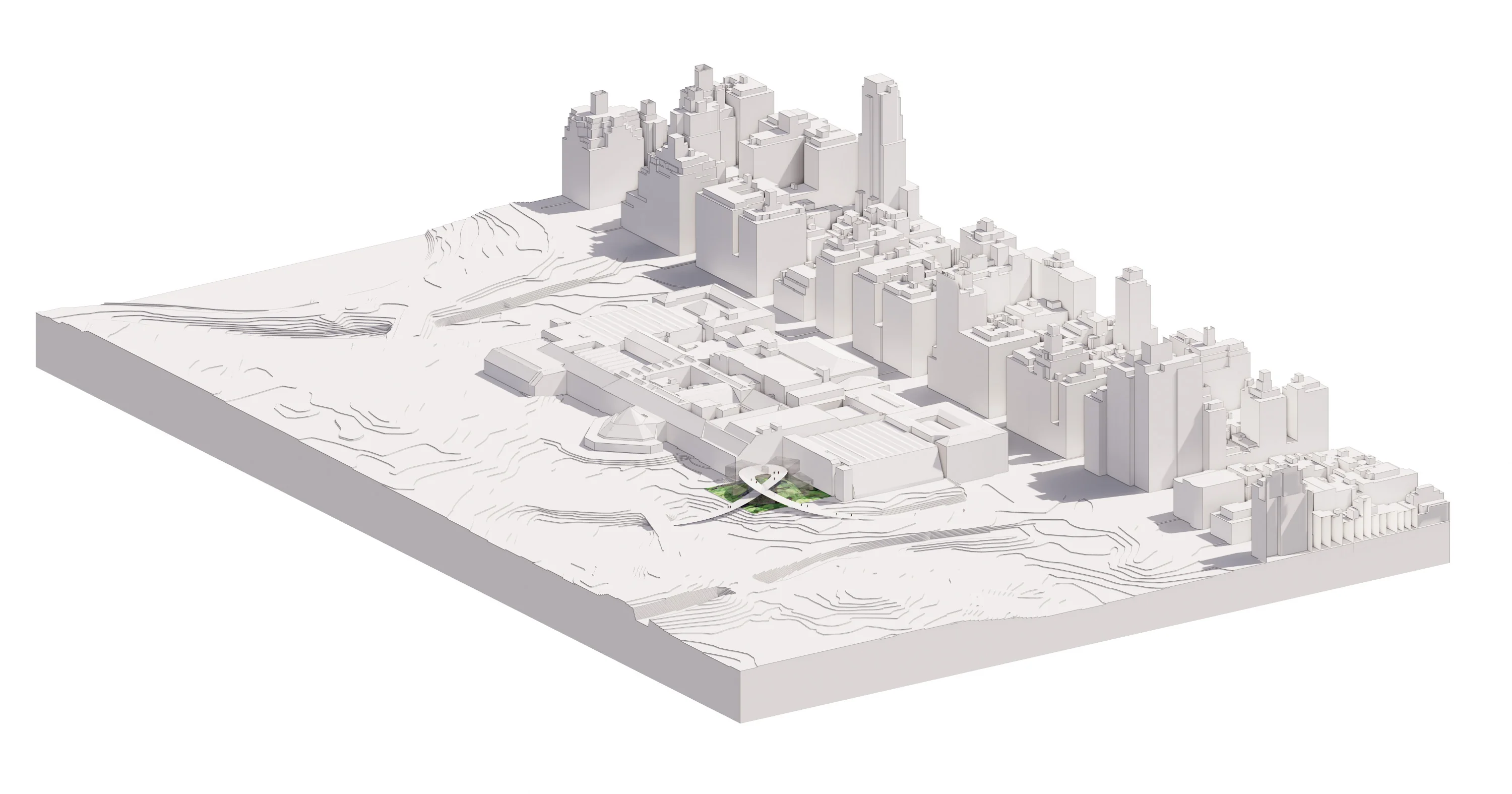
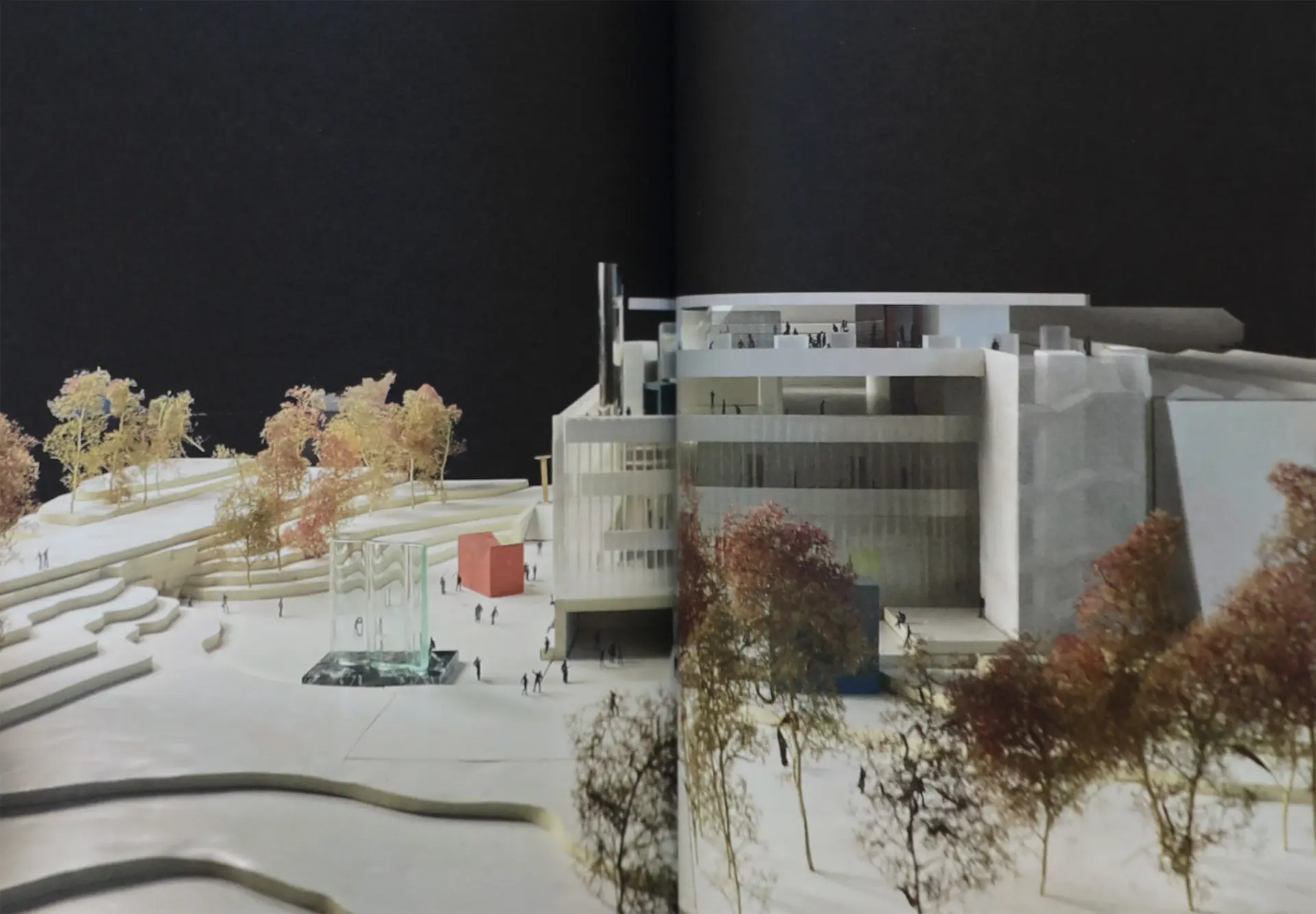
The modern wing of the Met is tucked behind a warren of galleries, inconsequentially accessed between a fire wall and a water stack. Despite an elegant skylit room by Kevin Roche, the rest of the wing is cramped and lacks any sense of place on the corner of the enormous complex. From the park, the Met is impenetrable. What if we imagine a museum integrated with the park. Can the museum be a more civic building? Can there be a liminal space between park and museum, where the Met shares some of its collection with the public in the park? What is the transition from street to sacred space? The following provocations are about a more transparent Met in relation to the park, and also within itself, where the provenance of artwork is rendered visible.
I believe people go to institutions such as the Met - with large collections of historical artifacts - to reaffirm their faith in humanity in the face of constant cultural change. To connect us through history is an important civic function for well-endowed foundational museums. This enormous responsibility also means the Met can be opaque and slow-moving to the discourses of the contemporary art world. These issues are reflected in the architecture of the complex - both in its genesis and growth - a world within itself, sealed and protected. Although one of the biggest museums in the world, the Met is not impervious as an institution - both the budget deficits of the 2010s, as well as the pandemic, were major financial stresses resulting in layoffs and other austerity measures including the pause of the original renovation.
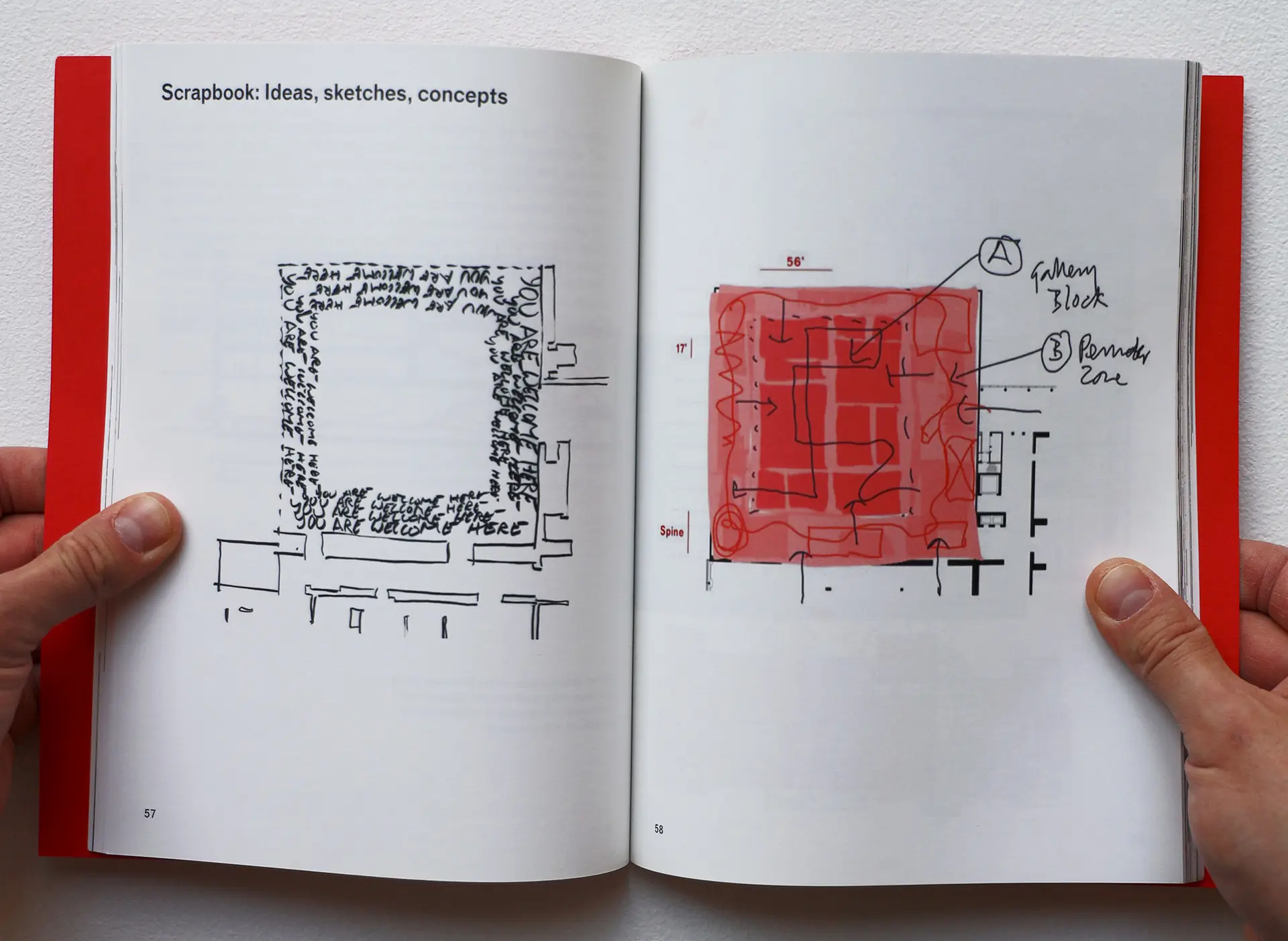
2021 was a year of collective resurfacing after the pandemic and the George Floyd protests in Minneapolis. These recent events put systematic inequity at the center of our work. I was thinking about my schematic proposals in terms of belonging - an art viewing rhythm allowing for decompression and contemplation; as well as informal space that stimulates fluid dialogue between historic and contemporary art. Lina Bo Bardi's MASP gallery was an important precedent due to its radical reinvention of display. The Johnson Museum by IM Pei brings in natural light and landscape views with clever incisions. I was also inspired by Kenzo Tange's Minneapolis Institute of Arts, a design that focuses on civic areas such as stairs, little nooks, and common spaces. I proposed using smaller subdivisions and simple circulation, followed by openings to nature or quiet areas, instead of the oppressive mat-type enfilades common at the Met.
Our final proposal was a methodology more so than a fixed design; to interrogate the Metropolitan as an institution with strengths and weaknesses, from the formal design, to reuse considerations, to exhibition design from a curatorial point of view. We offered the Metropolitan a variety of research and potential strategies. We had two clear design visions: to connect the museum to the park, and to create a more transparent and dynamic institution by way of the structure and its skin.